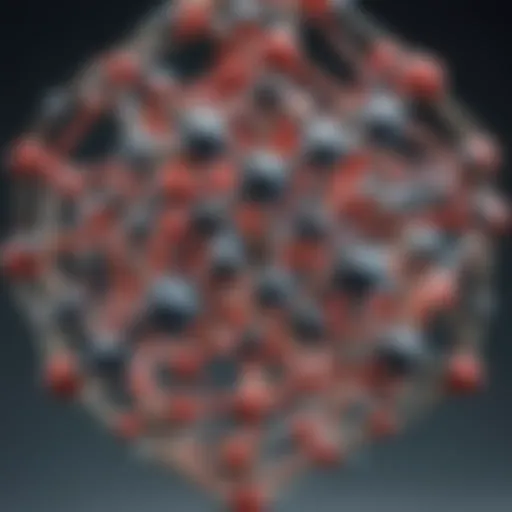
Exploring Membrane Solutions in Science and Industry
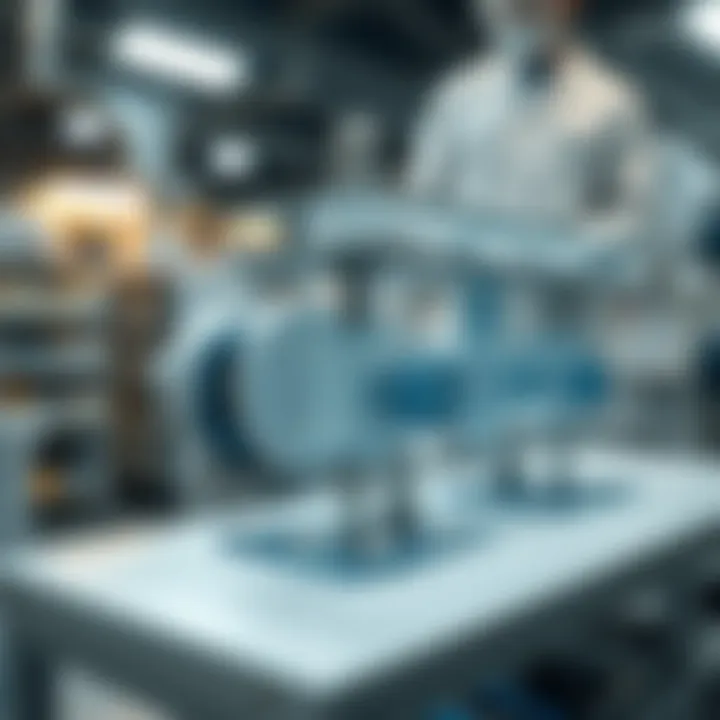
Intro
The study of membranes is not just a niche interest, but a fundamental element that plays a crucial role across several scientific fields. With the shrinking of our planet's resources and the ever-increasing demand for innovation, understanding membrane technologies has become more important than ever. Membranes serve as vital components in processes for filtration, separation, and transportation of various materials—from water to gases. So, when we talk about membrane solutions, we disucss a complex web that spans biology, chemistry, and engineering, each imparting its unique insights and challenges.
In this exploration, our focus will lead us through the intricate landscape of membrane science. We will uncover the core principles that govern membrane functionality, investigate the materials that form the backbone of membrane technologies, and highlight innovative applications that are redefining current practices. In essence, this narrative aims to bridge academic insights with practical implementations, ultimately showcasing the critical role of membranes in advancing modern research.
Research Overview
Summary of Key Findings
Membranes are versatile tools that help in separating and purifying substances, leading to innovative applications in both research and industry. Through this analysis, it emerges that the functionality of membranes is deeply rooted in their material properties and structural designs. These findings can be summarized as follows:
- Membranes come in various types: organic, inorganic, and hybrid, each suited for specific applications.
- New advancements in material technology are driving efficiency in processes such as water treatment, biotechnology, and fuel cells.
- Understanding the physical and chemical interactions at the membrane surfaces is essential for improving performance and longevity.
Background and Context
Membrane technology has its roots in the basic principles of molecular science and fluid dynamics. Historically, the first applications can be traced back to early filtration methods, but the midnight oil burned richly in the late 20th century saw a surge in research and applications powered by technological advancements. Today, membranes are found in various high-stakes environments:
- Water Purification: Membranes help remove impurities from water, making it safe for consumption.
- Medical Applications: In biomedicine, membranes play a pivotal role in dialysis and controlled drug release systems.
- Separation Technologies in Industry: Membranes are vital in processes that separate gases or liquids, proving highly useful in chemical manufacturing and resource recovery.
The evolution from basic separation techniques to advanced membrane science reflects a broader trend within scientific research, where targeted solutions and innovative technologies converge to address complex problems. This narrative strives to illuminate that very evolution, setting the stage for deeper explorations in membrane solutions.
"Membranes are not just barriers; they are gateways to new possibilities in various fields of science and industry."
As we pack our bags for this detailed journey, we will peel back the layers of membrane technologies. From methodologies to latest innovations, each section will offer tantalizing insights into how membranes shape the very fabric of related scientific disciplines and their applications.
Prelude to Membrane Solutions
Membranes play a pivotal role in a variety of scientific applications, shaping the way we manage and manipulate materials at the molecular level. They serve as selectively permeable barriers that can regulate the passage of substances, making them essential in fields ranging from biology to engineering. The significance of membrane solutions lies not only in their function but also in their implications for efficiency, sustainability, and innovation.
Within the scope of membrane science, we delve into intricate processes and comprehend how membranes facilitate essential operations. Whether it's the filtration of impurities from water or the critical separation of gases in industrial contexts, the versatility of membranes is undeniable. Membrane technologies bridge theoretical concepts with tangible applications, demonstrating their value across diverse sectors.
Definition of Membranes
A membrane can be defined simply as a thin layer of material that acts as a barrier between two phases, allowing certain molecules to pass while blocking others. This selectivity is the crux that makes membranes incredibly valuable.
In biological systems, cell membranes embody this principle by controlling what enters and exits a cell. For example, the lipid bilayer allows essential nutrients to permeate while keeping harmful substances at bay. In technological contexts, membranes can be engineered for specific properties, such as porosity and chemical resistance, which dictate their functionality in processes like water purification or gas separation.
Historical Context
The development of membrane technology dates back centuries, with early references found in the study of plant tissues and animal cells. However, it wasn't until the late 19th century that significant advancements were made, particularly in the context of the industrial revolution. With the invention of techniques like ultrafiltration, scientists began to harness the power of membranes for practical applications.
As the 20th century progressed, the need for efficient separation techniques in industries like pharmaceuticals and water treatment intensified. Research into polymeric materials led to the creation of synthetic membranes that offered enhanced capabilities compared to their natural counterparts. Today, membranes are at the forefront of revolutionary technologies, addressing global challenges such as clean water access and energy-efficient processes.
"Membranes are not just materials; they are integral to innovation and sustainability in modern science."
In this article, we will explore the intricate tapestry of membranes, from their fundamental principles and materials to their diverse applications and innovations. By developing a deep understanding of membrane solutions, readers will gain insight into their significance in contemporary research and their future directions.
Fundamental Principles of Membrane Science
Understanding the Fundamental Principles of Membrane Science is crucial for anyone delving into the world of membranes and their applications. Membranes act as selective barriers, allowing certain molecules to pass while restricting others. This selectivity is not only key to various biological processes but also has immense implications in industry and research. The principles that underlie how membranes work are critical, as they inform the design and optimization of membrane technologies across various fields, including biology, chemistry, and engineering.
Transport Mechanisms
Passive Transport
Passive transport is a natural process where substances move across a membrane without the need for energy. This occurs due to concentration gradients – materials flow from areas of high concentration to areas of low concentration. The primary contribution of passive transport to membrane technology lies in its simplicity and efficiency. It's not just about ease; it's advantageous in many applications, such as water purification and nutrient absorption in biological systems.
One key characteristic of passive transport is that it relies on inherent kinetic energy, making it a beneficial choice. For instance, in bioprocessing, passive transport helps cells foster productive environments by allowing necessary nutrients to flow freely into cells while waste products exit almost effortlessly. However, this mechanism has its limits; passive transport won't work effectively if there’s a strong opposite concentration. Consequently, designers of membrane systems must take this into account when optimizing processes that require specific substance movements.
Active Transport
In contrast to passive transport, active transport requires energy, often in the form of ATP, to move substances against their concentration gradient. This is crucial when cells need to accumulate substances that are in low concentrations outside the cell compared to inside. The significance of active transport in membrane processes cannot be stressed enough. It enables vital functions, like nutrient uptake and waste removal, which passive transport simply cannot achieve.
A distinctive feature of active transport is its ability to maintain homeostasis within biological systems. Moreover, it's a popular choice for technologies involving selective separations, such as in desalination processes. The downside, however, is that the energy requirement can increase operational costs, prompting ongoing research to improve efficiency.
Osmosis
Osmosis is a specialized type of passive transport concerning the movement of water through a semipermeable membrane. The unique feature here is that water molecules move to balance solute concentrations on either side of the membrane. This process is fundamental to processes like cellular hydration and nutrient transport.
Osmosis is a crucial aspect of many natural phenomena, explaining how roots absorb water from soil or how kidneys filter blood. Its simplicity makes it attractive in various applications from agriculture to water treatment solutions. However, relying solely on osmosis can sometimes lead to unequal solute concentration levels, which can undermine system performance in practical applications, necessitating careful monitoring and balance.
Membrane Selectivity
Membrane selectivity describes how well a membrane can differentiate between various substances. It fundamentally impacts the efficiency and effectiveness of any membrane process. High selectivity is desired in applications ranging from water treatment to pharmaceutical development, where precision is essential.
In summary, the Fundamental Principles of Membrane Science encompass a vast range of transport mechanisms and selectivity factors. By grasping these principles, researchers and practitioners can design increasingly effective membrane systems that not only enhance efficiency but also push the boundaries of what is achievable across multiple disciplines.
Materials Used in Membrane Production


Membrane technology has revolutionized various scientific fields, from biology to engineering. Understanding the materials used in membrane production is vital to grasp their function and applicability. The choice of material influences membrane performance and durability, directly impacting the efficiency of processes they support. Each material brings unique benefits and considerations, making this topic crucial in the study of membrane solutions.
Polymeric Membranes
Polymeric membranes are the workhorses of the membrane industry. These membranes are made from organic polymers, known for their lightweight properties and versatility. Their composition allows for tunable selectivity, meaning that manufacturers can adjust pore sizes and other properties by manipulating the polymer structure. This customization makes polymeric membranes suitable for a wide array of applications.
- Cost-Effective Production: Polymer membranes typically have lower production costs compared to other materials. This cost-efficiency makes them particularly appealing for large-scale applications such as wastewater treatment and desalination.
- Chemical Compatibility: They tend to have a robust resistance to corrosive substances, enabling them to be utilized in diverse environments without degrading easily.
- Thermal Stability: Most polymer membranes can withstand a range of temperatures, making them adaptable for various processes.
However, challenges exist. Polymeric membranes can be prone to fouling, which can affect their long-term performance. Regular cleaning and maintenance are necessary to ensure longevity.
Ceramic Membranes
In contrast to their polymeric counterparts, ceramic membranes offer high durability and thermal stability. Made from inorganic materials, these membranes are renowned for their resilience under harsh conditions. Their structure typically consists of porous alumina or zirconia, which results in excellent mechanical strength.
"Ceramic membranes are a boon for industries requiring robust filtration solutions, especially in environments where chemical exposure is a concern."
- Superior Mechanical Strength: These membranes resist pressure fluctuations, making them ideal for high-pressure applications like gas separation.
- Longevity: Their durability allows for long operational cycles, resulting in lower replacement rates over time.
- High Resistance to Fouling: Although not entirely immune, ceramic membranes are less susceptible to fouling when compared to polymeric options. This characteristic can reduce maintenance needs.
Still, the high cost of manufacturing ceramic membranes can limit their widespread adoption, particularly in low-budget applications.
Composite Membranes
Composite membranes are a hybrid solution, combining different materials to leverage the strengths of each. Typically, they consist of a thin layer of a selective material atop a supportive substrate. This structure allows for enhanced performance while maintaining reasonable production costs.
- Enhanced Selectivity and Flux: By integrating different materials, composite membranes can achieve superior separation efficiency, which is essential for tasks like water purification and specific gas separations.
- Flexibility: The versatility of composite membranes allows manufacturers to tailor them for precise applications, balancing properties such as permeability and capacity for contaminants.
- Cost-Effectiveness: Often, the use of a thin selective layer reduces the overall material requirement, potentially lowering costs while maintaining performance.
Despite the advantages, the adhesion between layers can sometimes be a weakness, leading to delamination if not thoroughly managed.
In summary, understanding the materials used in membrane production provides insight into their functionalities and applications. The selection process demands careful consideration of factors such as performance requirements, cost constraints, and intended application, highlighting the complexity and significance of this field in modern science.
Types of Membrane Processes
Understanding types of membrane processes is essential for grasping the transformative impact of membranes across various industries. These processes serve specific functions, targeting different materials and separation techniques depending on applications in biology, chemistry, and engineering. They are crucial in optimizing efficiency, reducing costs, and enhancing the purity of the end products. Let's dive into the specifics of four key membrane processes: microfiltration, ultrafiltration, nanofiltration, and reverse osmosis.
Microfiltration
Microfiltration stands as the first line of filtration in membrane technology. Its primary purpose is to separate larger particles, such as bacteria and suspended solids, from fluids, making it particularly useful in water treatment or juice clarification applications. The pore size for microfiltration membranes typically ranges between 0.1 to 10 micrometers.
One of the essential benefits is that it operates under low pressure, which translates to lower energy consumption—a significant consideration for industries aiming to reduce operational costs. For instance, during the treatment of wastewater, microfiltration effectively removes contaminants while preserving high-quality effluent.
Ultrafiltration
Taking a step beyond microfiltration, ultrafiltration employs membranes with smaller pore sizes, around 1 to 100 nanometers. This method is perfect for separating smaller particles such as proteins, polysaccharides, and some viruses from liquids. This versatility is crucial in applications such as dairy processing, where it can concentrate milk proteins while eliminating unwanted fat.
The efficiency of ultrafiltration lies in its ability to operate at moderate pressures, allowing for good separation with minimal energy expenditure. However, fouling remains a notable challenge, as build-up on the membrane surface can decrease its performance. Regular maintenance and cleaning are essential to sustaining the efficacy of ultrafiltration systems.
Nanofiltration
As the name suggests, nanofiltration targets even finer separations. With pore sizes of around 0.001 to 1 nanometer, nanofiltration membranes can selectively remove multivalent ions and larger organic molecules while allowing monovalent ions to pass through. This selective permeability makes it a go-to option in softening hard water and in beverage production.
Another intriguing aspect is its application in reverse osmosis pretreatment. Nanofiltration can decrease fouling potential in reverse osmosis systems by filtering out larger contaminating substances and contributing to improved system lifespans. In industries like pharmaceuticals, nanofiltration ensures high purity levels without the energy intensity seen in traditional reverse osmosis.
Reverse Osmosis
Reverse osmosis (RO) is arguably the crown jewel of membrane processes, known for its exceptional ability to remove dissolved salts and impurities from water. By utilizing a high-pressure differential, RO drives water through semipermeable membranes with pore sizes less than 0.001 nanometer. This degree of filtration is vital for producing potable water from brackish or seawater, making it indispensable in regions facing water scarcity.
While reverse osmosis is highly effective, it’s important to consider its drawbacks. The energy requirements for maintaining the pressure needed for RO can lead to higher operational costs. Furthermore, it is susceptible to fouling and scaling, necessitating proper management of system maintenance.
The choice of the appropriate membrane process depends significantly on the target application, desired purity levels, and economic factors.
Membrane processes not only highlight the diversity of separation technologies but also underscore the interconnectedness of various disciplines in science and engineering. As industries continue to evolve, advancements in these processes will likely enhance efficiency and sustainability across multiple sectors.
Applications in Biology
The role of membranes in biological systems is nothing short of fundamental. These semi-permeable structures are essential for life itself, forming barriers that separate the interior of cells from the external environment. In this section, we'll explore the applications of membrane technology in biology, highlighting how these innovations impact various biological processes and enhance our understanding of living systems.
Cell Membranes
Cell membranes, also known as plasma membranes, are crucial in maintaining the integrity of cells. They regulate what enters and leaves a cell, allowing essential nutrients in while keeping harmful substances out. This selective permeability is vital for a cell's survival and function, enabling communication, energy production, and metabolic processes.
Membranes are primarily composed of lipid bilayers, embedded with proteins that serve diverse functions—like signaling, transport, and acting as enzymes. The fluid mosaic model explains how these lipids and proteins float and move within the membrane, which is key to their functionality.
Membranes are like gates to a castle. They keep out intruders while welcoming friends.
Moreover, advances in membrane technology play a pivotal role in biomedicine. For instance, the development of liposomes, which are artificial vesicles made of phospholipid bilayers, is changing drug delivery systems. By encapsulating drugs within these structures, we can improve the bioavailability of medications and target specific tissues, minimizing side effects.
In addition, studying cell membranes helps us understand diseases such as diabetes and cancer. Changes in membrane composition or function can serve as biomarkers, providing insights into disease progression and potential therapeutic targets.
Bioprocessing


Bioprocessing utilizes biological materials—like cells or enzymes—to produce items such as pharmaceuticals, biofuels, and food products. Membrane technology is integral to enhancing efficiency in these processes, leading to substantial gains in terms of yield and purity.
One notable application is in the production of monoclonal antibodies. Membrane filtration plays an essential role in downstream processing, separating desired antibodies from cell debris and excess proteins. Techniques such as ultrafiltration can achieve high separation efficiency, which is vital in ensuring that only the purest antibodies make it to the final stages of production.
Furthermore, membrane bioreactors combine biological treatment processes and membrane filtration to streamline waste treatment. This innovation significantly reduces the need for large, land-consuming treatment facilities and provides high-quality effluent that can be reused in various applications, such as agriculture or water supply.
In essence, the integration of membrane technology into bioprocessing marks a leap towards more sustainable production methods. As we delve deeper into the potential of membranes, ongoing research aims to enhance their efficiency, leading to even more groundbreaking applications in the biological sector.
Applications in Chemistry
Applications in chemistry hold a significant place in the broader discussion of membrane solutions. They capitalize on the unique properties of membranes to perform critical functions in various chemical processes, emphasizing efficiency and sustainability. Membranes can dramatically alter the outcome of reactions, affect material purity, and assist in the separation of substances, making them indispensable tools in modern chemistry labs and industrial processes.
Separation Techniques
Separation techniques are where membranes truly shine in the realm of chemistry. These methods leverage membrane properties to isolate particular components from a mixture without the need for extensive energy inputs common to traditional techniques like distillation. Using membranes can sometimes be as simple as pushing a solution through a filter, which can be game-changing in both lab settings and manufacturing.
Membrane-based separation offers several advantages:
- Energy Efficiency: Compared to conventional processes, especially thermal methods, separation using membranes usually consumes far less energy.
- High Purity Levels: Membranes can target specific molecules or ions, ensuring impressive purity in the final product, a crucial requirement in pharmaceuticals.
- Adaptability: They can be tailored for various applications, from saltwater desalination to extracting specific compounds in chemical synthesis.
Let’s take nanofiltration as a prime example. It works effectively with molecules around 200-1000 Daltons in size, providing an intriguing balance between retention and permeation. Industries that produce dairy products often utilize this technique to separate proteins from fats, ensuring quality in their final offerings.
Catalysis
Catalysis, an essential branch of chemistry, stands to benefit immensely from advancements in membrane technologies. Membranes are increasingly finding applications as reactor components, facilitating reactions while controlling the transport of reactants and products in a selective manner. This interplay can lead to reaction conditions that accelerate processes without requiring extreme conditions, ultimately increasing yield and productivity.
Membrane reactors can offer intriguing prospects:
- Continuous Flow: By allowing for constant feed of reactants, they can ensure a more uniform output compared to batch processes.
- Direct Integration with Separation: This is crucial; being able to separate products simultaneously can save time and resources. For instance, in methanol steam reforming, membranes can be used to selectively remove hydrogen, pushing the reaction toward the desired direction.
- Enhanced Reaction Rates: With the right membrane, particular reactants can be concentrated, increasing their interactions leading to improved reaction rates.
Innovation in membrane technology doesn’t just enrich the chemical landscape; it paves the way for greener processes. As researchers strive for sustainable chemistry practices, membranes can indeed play a critical role in decreasing waste and energy usage. It is noteworthy to recognize that advancements in membrane technologies, such as the development of smart membranes that can respond to specific stimuli, are already shaping the future of catalysis.
Membrane solutions in chemistry not only solve existing problems but also hold the potential for groundbreaking changes in how we approach chemical reactions and separations, fostering a more efficient future.
Understanding the profound impact of membranes on these applications shines a light on their central role in modern chemistry—promoting efficiency, sustainability, and innovation.
Applications in Engineering
Membranes play a crucial role in engineering, particularly in fields that demand high efficiency and reliability. For engineering applications, the versatility of membranes allows for tailored solutions in various processes, ensuring the effective separation and treatment of substances. This section delves into two primary areas where membrane technology has made significant strides: water treatment and gas separation.
Water Treatment
Water treatment is an ever-important issue, addressing the need for clean and safe drinking water, as well as effective wastewater management. Membrane processes like microfiltration, ultrafiltration, and reverse osmosis have become staples in modern water treatment plants. Each method has distinct characteristics, suited for varying needs:
- Microfiltration (MF) removes larger particulates, providing an efficient barrier to bacteria, while preserving essential minerals. Its simplicity is its charm—easy to operate and maintain.
- Ultrafiltration (UF) dives a little deeper, targeting smaller molecules and colloidal suspensions. This process is crucial in applications requiring high clarity and reduced organic content.
- Reverse Osmosis (RO) is the heavyweight champion, capable of removing dissolved salts and almost all contaminants, guaranteeing high-quality water output.
The benefits of membrane technology in water treatment include:
- Resource Efficiency: Minimal energy consumption when compared to traditional methods.
- Space Savings: Compact systems mean less room needed on-site.
- Reduced Chemical Use: Less dependency on chemicals minimizes environmental impact.
However, membrane fouling—accumulation of contaminants on membranes—remains a formidable challenge. Regular cleaning and maintenance practices are essential to combat this inevitability, ensuring systems run smoothly.
Gas Separation
Gas separation is another fascinating application of membrane technology. The increasing demand for resource recovery and the sustainability of industrial processes has spurred the development of gas separation membranes. These membranes serve various purposes, including:
- Natural Gas Processing: Separating carbon dioxide and impurities from methane, enhancing fuel quality before distribution.
- Air Separation: Producing oxygen and nitrogen from air, which is crucial for industrial processes, including metal production and chemical synthesis.
Utilizing membrane technology in gas separation offers significant advantages:
- Selective Permeability: Membranes can be engineered to allow specific gases to pass through, improving efficiency.
- Cost-Effectiveness: Lower operational costs compared to traditional separation techniques such as cryogenic distillation.
- Sustainability: Lower energy requirements contribute positively to reducing carbon footprints.
"Membrane technology opens doors to innovative solutions in engineering, shaping the future of water treatment and gas separation."
Innovations in Membrane Technology
The advancing landscape of membrane technology continues to unveil significant breakthroughs that are transforming various industrial sectors. This section examines the pivotal innovations, emphasizing their implications, benefits, and challenges. The significance of these innovations lies not only in their immediate applications but also how they address longstanding challenges in membrane processes. With a solid foundation in both science and engineering, the developmental trajectory of membranes is carving new pathways for efficiency, sustainability, and functionality.
Smart Membranes
Smart membranes represent a cutting-edge element of membrane technology. These membranes are designed to not just act as barriers but to respond dynamically to changes in their environment. Essentially, they can adjust their filtration properties based on external stimuli such as pH, temperature, and concentration gradients. This adaptability provides several advantages:
- Enhanced Performance: They can modify pore sizes automatically to optimize the passage of specific substances, boosting efficiency in separation processes.
- Energy Savings: By reducing energy consumption through optimal operation, they offer a more sustainable solution over time.
- Real-Time Monitoring: Many smart membranes come with integrated sensing capabilities, allowing for real-time analysis of the filtration process. This ensures that the conditions remain ideal for operation, resulting in better outcomes.
For instance, advanced polymeric membranes can be designed to swell or contract, thereby tuning their selectivity based on the contaminants present in water. This innovation reflects a shift toward intelligent technology in filtration processes, allowing industries to better manage resources and minimize waste.
"The evolution of smart membranes is not just about filtration; it's about enhancing the entire process of how we interact with substances on a molecular level."
Membrane Bioreactors

Membrane bioreactors (MBRs) represent a fusion of biological treatment and membrane technology. This innovation has proven exceptional in wastewater treatment, combining the strengths of biological degradation with the efficiency of membrane separation. Key benefits include:
- Compact Design: MBRs take up less space than conventional systems, ideal for places where land is at a premium.
- Higher Quality Effluent: The combined processes can lead to a much cleaner effluent, often meeting stricter regulatory standards than traditional methods.
- Reduced Sludge Production: By maintaining a continuous biomass concentration and enhancing degradation rates, MBRs can decrease overall sludge production, further easing disposal challenges.
This technology is suitable for various applications such as municipal wastewater treatment and industrial effluent recovery. Integration of MBRs into existing treatment facilities can significantly reduce operating costs and environmental impacts while enhancing treatment reliability.
The future holds promising advancements in membrane technologies, particularly as researchers strive to address existing limitations while expanding their functionality, ensuring that these innovations not only meet industry demands but also embrace sustainable practices.
For further reading on smart membranes and membrane bioreactors, consider exploring resources at Wikipedia, Britannica, and relevant studies found in Scholarly Journals.
Challenges Facing Membrane Solutions
In the realm of membrane technology, there are significant hurdles that researchers and engineers must navigate. Understanding these challenges is vital in optimizing membrane solutions and steering innovation towards practical applications. This section explores two primary challenges: fouling and cost factors, both of which significantly impact the viability of membrane technologies in various sectors like water treatment, gas separation, and more.
Fouling Problems
Fouling is perhaps the most notorious challenge associated with membrane usage. It refers to the unwanted accumulation of materials on the surface of membranes, leading to decreased efficiency and increased operational costs. This problem can arise from several sources, including particulate matter, organic materials, and biological growth.
The effects of fouling are multifaceted. On one hand, it reduces the flow rate—what we call flux—meaning that more energy and resources must go into maintaining the system. On the other hand, fouling can lead to accelerated membrane degradation, requiring replacements more frequently than planned, thus inflating overall expenditures.
To put it simply, fouling is like a stubborn stain on your favorite shirt; ignoring it will only lead to bigger headaches later. Researchers are keen on developing anti-fouling strategies. Techniques such as using hydrophilic materials or incorporating backwashing systems are being trialed. Yet, these approaches have their limitations and need further optimization to be widely feasible.
Cost Factors
Cost considerations also loom large over membrane technology. Production costs can vary wildly depending on the materials used—like polymeric or ceramic—and the complexity of the manufacturing processes. For instance, while ceramic membranes may possess superb durability, they often come with a heftier price tag compared to their polymer counterparts. This decision-making process is a tightrope walk, balancing expense and functionality.
Moreover, there is the question of operational costs. Maintenance and replacement of membranes contribute significantly to long-term budgets. If a membrane fouls quickly or has a short lifespan, the initial lower cost can quickly become a false economy. Thus, potential users often evaluate the return on investment rigorously before adopting membrane technology.
One major factor driving the exploration of membrane technology is not just its utility, but also its adaptability in the face of economic challenges.
Future Directions in Membrane Research
The field of membrane research stands on the brink of significant transformation. Advances in science and technology are elevating the potential applications of membrane solutions beyond traditional boundaries. The importance of exploring future directions in this area hinges on the pressing need for sustainable, efficient, and innovative practices in various industries.
For instance, the increasing demand for clean water and energy has sparked interest in developing membranes that can operate more effectively in these critical sectors. This not only requires research into new materials but also necessitates a keen focus on environmental impacts. As society grapples with climate change and resource depletion, developing membranes that utilize renewable materials will become more paramount.
Sustainable Practices
Sustainability is no longer just a buzzword but a necessity in today's world. Membrane technology offers various avenues to enhance sustainability. This can include:
- Utilizing biodegradable materials: Researching and developing membranes made from natural or easily replenishable resources can reduce pollution and waste.
- Energy-efficient processes: Innovations that reduce energy consumption during production and operation of membranes can contribute to lower carbon footprints.
- Optimizing existing technologies: Enhancing performance through modifications to existing membranes can minimize the need to develop completely new materials, thus conserving resources.
By focusing on sustainable practices in membrane research, not only do we address ecological concerns, but we also promote long-lasting economic growth across sectors that rely heavily on membrane technology, such as water purification and food processing.
Nanotechnology Integration
Another promising avenue is the integration of nanotechnology into membrane solutions. The exploration of nano-materials can unlock new possibilities in membrane performance:
- Increased permeability: Nanomaterials can provide membranes with exceptional permeability while maintaining selectivity, enhancing their effectiveness in applications such as desalination.
- Enhanced resistance to fouling: The incorporation of nanoparticles can help membranes resist fouling, a major challenge in their practical use, leading to lower maintenance costs.
- Smart membranes: Combining nanotechnology with sensing capabilities allows for the creation of membranes that can react to their environment, optimizing processes in real-time.
As we move forward, it's essential for researchers to foster collaboration across disciplines. Engaging with professionals from various fields, including materials science, chemistry, and environmental science, can prove invaluable in overcoming challenges and pushing the boundaries of what membranes can achieve.
Collaboration will be the key to unlocking innovations that can fundamentally change how we utilize membranes in our industries.
With this focus on sustainable practices and the integration of cutting-edge technologies, the future of membrane research is not just about incremental advancements; it’s about creating transformative solutions that will have a lasting impact on real-world issues. Utilizing resources wisely, coupled with innovative materials and techniques, can ensure that membranes play a vital role in paving the way for a more sustainable and efficient future.
The End
In what seems a brief journey through the intricate world of membrane solutions, we arrive at a significant understanding of their multifaceted roles in various industries. This article has laid out not only the fundamental principles behind membrane science but also highlighted the broad spectra of applications in biology, chemistry, and engineering. The importance of membranes can't be overstated, as they serve as unsung heroes in numerous processes, from the purification of water to the facilitation of complex biochemical reactions.
Recapitulation of Key Findings
Throughout our exploration, we identified several core concepts:
- Fundamental Principles: Several transport mechanisms, like passive and active transport, play essential roles in how membranes function.
- Material Technologies: Different types of membranes, especially polymeric and ceramic, each carry their own unique properties that dictate their use cases.
- Innovative Applications: The emergence of smart membranes and bioreactors showcases a move toward more sophisticated, efficient systems in operation today.
- Challenges Encountered: Various difficulties, including fouling and cost, were discussed, presenting a realistic portrait of the current state in membrane technology.
These elements not only illustrate the technical intricacies but also the compelling need for innovation and improvements within the industry. Addressing these challenges and enhancing membrane functionalities could lead to groundbreaking advancements and applications that we have yet to fully realize.
The Role of Membrane Solutions in Future Advancements
As we look ahead, membrane technology stands at the crossroads of exciting possibilities. The ongoing research into membrane technologies has the potential to foster sustainable solutions to some of our most pressing global issues.
- Sustainable Practices: The drive for eco-friendly alternatives is strong, and membranes can play a part in cleaner industrial processes. Think about reducing energy consumption, improving efficiency, or enabling recycling initiatives.
- Nanotechnology Integration: The use of nanomaterials can enhance membrane performance in ways previously thought unattainable. This could redefine the standards for filtration and separation processes in various sectors.
Moreover, as industries push for greener solutions, membranes are evolving to meet these demands. Technologies that once seemed futuristic are now on the brink of being realized, indicating a dynamic field rich with opportunity. The interplay between academic research and industry application will undoubtedly lay fertile ground for further advancements.
Benefits of Referencing
- Credibility: Proper citations anchor your work in established research and enhance the authority of your claims.
- Knowledge Expansion: They direct readers to additional resources, allowing for a broader and richer understanding of the subject matter.
- Academic Integrity: Good referencing practices avoid potential plagiarism and uphold ethical standards in writing.
"Citations are like breadcrumbs leading readers back to the source of knowledge. They illustrate the journey of discovery that the writer has undertaken."
Considerations When Referencing
- Variety of Sources: Sources should be diverse, encompassing books, peer-reviewed journals, and credible websites. For instance, articles from en.wikipedia.org, academic publications like *.edu domains, or industry-specific archives should be included.
- Up-to-Date Information: Science and technology evolve rapidly. Always prefer the most current studies to ensure relevance and accuracy.
- Clear Formatting: Whether using APA, MLA, or any other citation style, ensure clarity and consistency in formatting. This makes it easier for the reader to locate the sources.